Domestic Peptide Shipping in Canada: Customs, Transit Time, and What to Verify
Ordering research peptides from overseas adds a variable most labs underestimate: the border. What happens to an international parcel at Canadian customs, why transit time matters for lyophilized material, and the four things to verify before ordering from any supplier claiming to ship domestically.
Ordering research peptides from an overseas vendor introduces a variable most laboratories underestimate: the border. Domestic peptide shipping in Canada removes that variable entirely. This article covers what actually happens to an international parcel at Canadian customs, why transit time matters for lyophilized material, and what to verify before placing an order with any supplier that claims to ship domestically.
What "domestic" actually means
The term gets used loosely. Some vendors describe themselves as Canadian because they hold a Canadian business registration, a Canadian phone number, or a .ca domain — while the vial itself still ships from a warehouse in another country. That parcel crosses the border and is subject to every process below.
A genuinely domestic shipment means the inventory is physically held in Canada and moves to the recipient through a domestic courier network. The practical test is simple: ask where the stock is warehoused, and ask what the origin postal code on the label will be. A supplier holding real Canadian inventory can answer both immediately.
What happens at the border
Inbound parcels containing chemical or biological material are subject to review by the Canada Border Services Agency, which administers the import requirements of other departments — including Health Canada — at the point of entry. Several things can occur to a given parcel:
- Release. The parcel clears and continues to the domestic courier leg.
- Documentation request. CBSA requests further information about the contents, importer, or intended use. The parcel is held pending response.
- Referral. The parcel is referred to the relevant department for a decision on admissibility.
- Detention or refusal. The parcel does not proceed. The importer may receive a notice; there is no guarantee of a refund from the shipper.
Each of these outcomes is possible with correct paperwork. The distribution of outcomes is not something a vendor can promise around, which is why any claim of "guaranteed customs clearance" should be read as a marketing statement rather than a logistics capability.
Why transit time is a material variable
Lyophilized peptides are relatively robust in their dry state, but robustness is not indifference. Extended time in transit means extended time at uncontrolled ambient temperature, plus the humidity exposure that comes with repeated handling and potential seal compromise. A parcel that sits in a customs facility for eleven days has a materially different thermal history than one that moved city-to-city in two.
That history is invisible on arrival. The powder looks the same. This is the argument for short domestic transit that has nothing to do with convenience: it narrows the window in which unrecorded conditions can act on the material. Our notes on research peptide storage and handling cover the laboratory side of the same problem.
Domestic peptide shipping in Canada vs an international parcel
| Factor | International parcel | Domestic Canadian shipment |
|---|---|---|
| Typical transit | 10–30 days, variable | 1–4 business days |
| Border review | Applicable | Not applicable |
| Duties, brokerage, taxes on receipt | Possible, often unquoted | Not applicable |
| Thermal history | Long, unrecorded | Short, narrow window |
| Recourse if parcel is lost | Limited in practice | Domestic courier tracing |
| Batch documentation | Varies; often absent | Verifiable per batch |
What to verify before ordering
Domestic shipping is a logistics feature, not a quality claim. A parcel that arrives in two days can still contain material of unknown composition. The two questions are separate, and both need answers:
- Where is the inventory held? Ask directly. Vague answers about "our fulfilment partner" usually mean the stock is offshore.
- Is there a batch-specific certificate of analysis? Not a generic PDF for the compound — a report tied to the lot number printed on the vial you receive. We publish independent Janoshik Analytical and Freedom Diagnostics certificates per batch for this reason.
- Does the lot number on the vial match the certificate? If it doesn't, the document describes different material.
- Is the compound labelled for research use? Correct labelling is a baseline indicator that the supplier understands what it is selling and to whom.
A supplier that satisfies all four is answering questions that a supplier shipping unmarked parcels from overseas typically cannot.
Where this matters most
Compounds supplied as lyophilized powder — for example BPC-157, TB-500, or GHK-Cu — are the ones where transit history is hardest to reconstruct after the fact. There is no assay a receiving laboratory can run to recover the temperature record of a parcel. The only practical controls are a short transit leg and batch documentation from an independent laboratory, established before the material ships.
The short version
Domestic peptide shipping within Canada eliminates border review, removes duty and brokerage exposure, and compresses transit from weeks to days. None of that speaks to what is in the vial. Use the shipping question to narrow the field, then use batch-level third-party testing to decide.
All compounds referenced are supplied strictly for research use only (RUO) and are intended solely for in-vitro and laboratory research applications by qualified professionals. They are not drugs, foods, cosmetics, or medical devices, and are not approved by Health Canada for the diagnosis, treatment, cure, or prevention of any condition. They are not for human or veterinary use. This article is provided for informational purposes regarding logistics and material handling and does not constitute regulatory, customs, or legal advice.
All content is provided for informational purposes for qualified researchers working with research materials in a laboratory setting. Products supplied by Hermetica Research Labs are sold strictly for in-vitro research. They are not intended for human or veterinary use, and nothing on this page constitutes medical, health, or dosing guidance. Must be 21+ to purchase.
Order RUO research materials
Flat $15 shipping across Canada · Free on orders of $150 or more · Canada only · 21+ · Research Use Only, not for human or veterinary use.
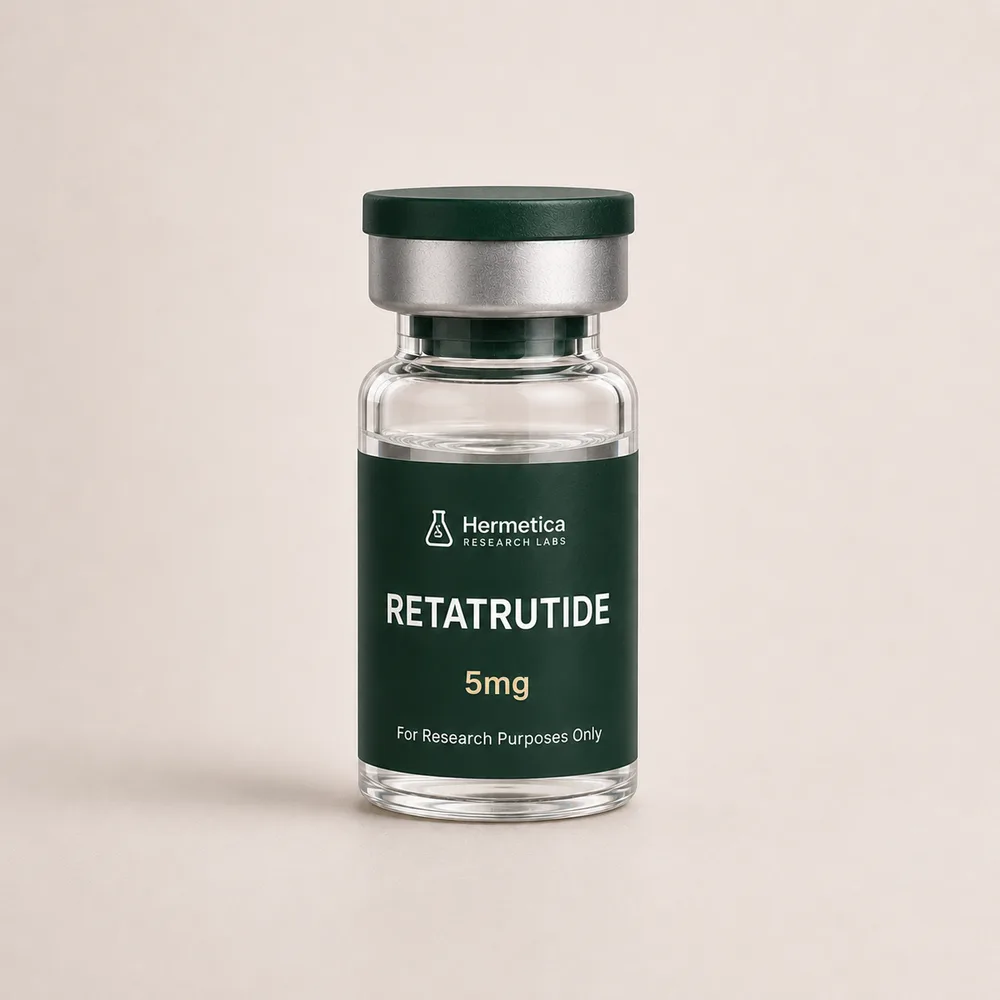
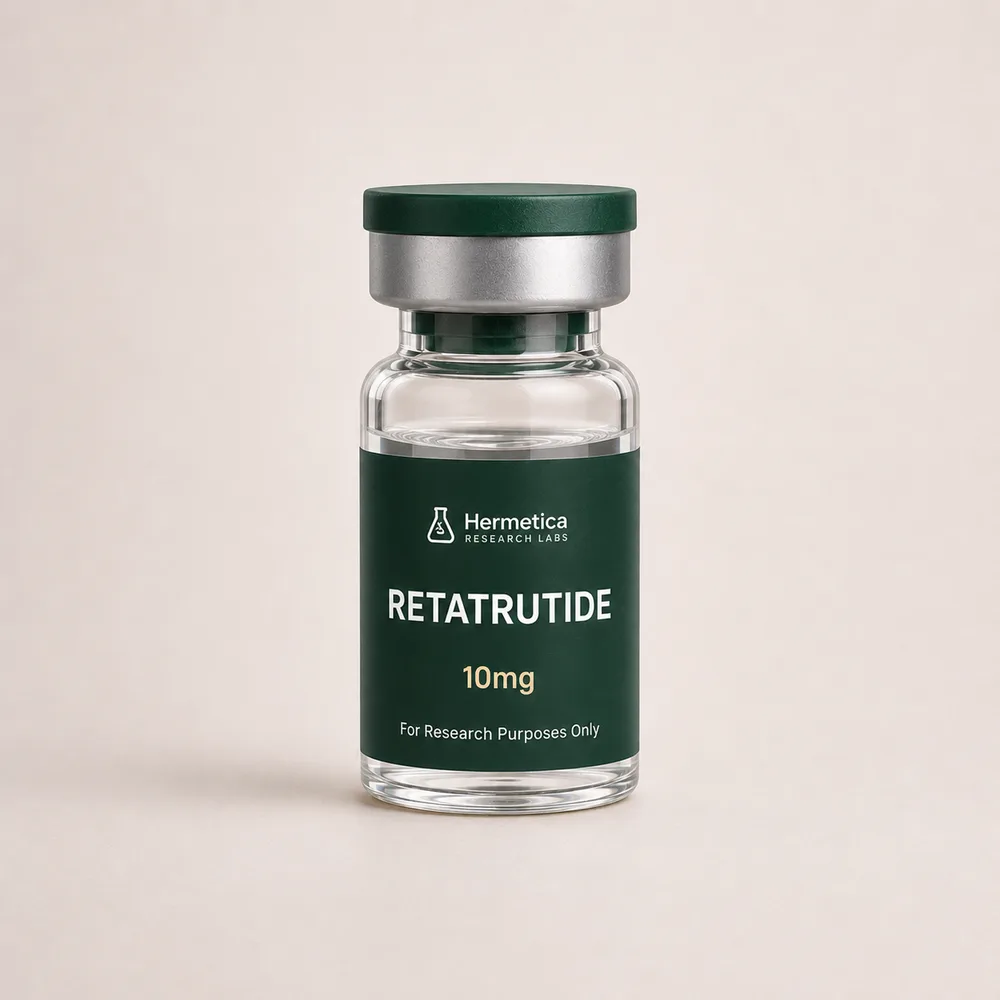
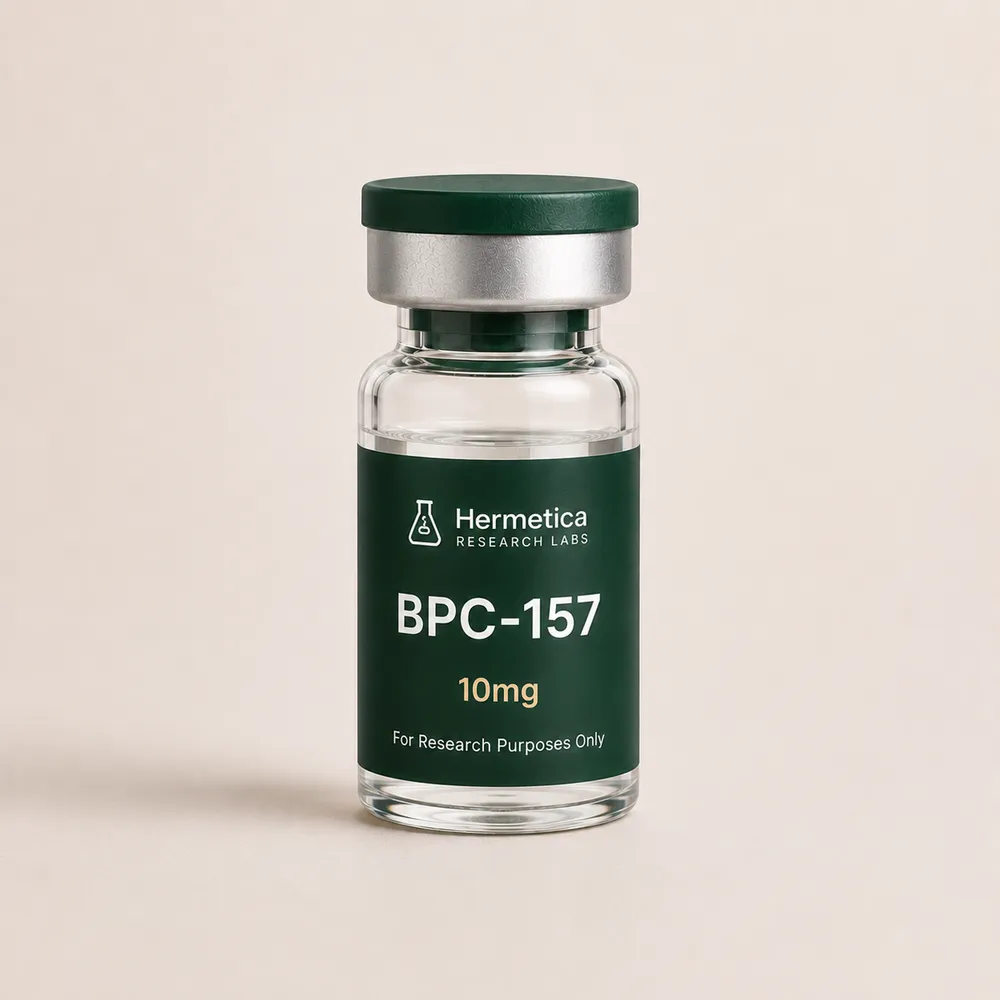
Related research peptides
Related research
- Shipping research peptides in Canada — fulfillment notes
How Hermetica ships Research Use Only peptides within Canada: 5-12 business day transit, discreet packaging, flat CAD rates, and the documentation that accompanies each order.
- Research Peptides in Canada: What Researchers Should Know Before Buying
A practical guide for Canadian researchers on domestic sourcing of research peptides, what Research Use Only means, and how to evaluate a supplier before purchasing.
- GHK Cu Peptide Canada | Research Overview for RUO Labs
Overview of GHK Cu peptide Canada documentation for RUO laboratories: identity fields, COA path, copper peptide GHK-Cu SKUs, and Canada shipping.