How to Vet a Research Peptide Supplier in Canada
Catalogue claims across the Canadian market are close to interchangeable, which makes them useless for comparison. This guide covers the checks that produce a verifiable answer — batch-specific analytical reports, lot traceability, and where inventory physically sits.
Most catalogue pages read the same way. High purity, third-party tested, fast domestic shipping, discreet packaging. The wording is close to interchangeable across the market, which makes the claims useless as a basis for comparison. Choosing a research peptide supplier in Canada is therefore less about reading marketing copy and more about identifying which claims can be independently checked and which cannot.
This article sets out the checks that produce a verifiable answer, and the ones that only produce a reassuring one.
What separates a research peptide supplier in Canada from a reseller
A large share of vendors operating under Canadian branding are order-forwarding operations. They hold no inventory, run no incoming quality checks, and route orders to a manufacturer or a third-party warehouse. Nothing about that arrangement is inherently disqualifying, but it changes what the vendor can actually tell you about the vial you receive.
A supplier holding its own stock can answer questions about a specific lot. A forwarder can only repeat what its upstream source published. The distinction shows up immediately in how batch-level questions are handled.
Analytical evidence: batch-specific or generic
The most common substitution in this market is a specimen certificate of analysis presented as if it were current. A report exists, it names the right compound, it shows a high purity figure — and it was generated for a batch that shipped eighteen months ago.
The check is mechanical. Take the lot number printed on the vial or the packing slip and confirm it appears on the analytical report. If the report carries no lot identifier, or the identifier does not match, the document tells you nothing about the material in front of you.
Three further details are worth confirming on any report:
- The issuing laboratory. Independent laboratories such as Janoshik Analytical and Freedom Diagnostics issue reports under their own letterhead with a report number that can be checked against the lab. An in-house report from the manufacturer is not third-party testing, regardless of how it is formatted.
- The report date. It should postdate the manufacture date of the lot it describes.
- The methods run. Purity by RP-HPLC and identity by mass spectrometry answer different questions. A report showing only one of the two is incomplete. Hermetica publishes both per batch on its COA library.
| Supplier claim | What actually verifies it |
|---|---|
| "Third-party tested" | Report on the testing laboratory's letterhead, with a lab report number |
| "99% purity" | RP-HPLC chromatogram with integrated peak areas, not a bare figure |
| "Verified identity" | Mass spectrometry result matching the expected molecular weight |
| "Every batch tested" | Lot number on the vial appearing on the report |
| "Ships from Canada" | Origin postal code on the shipping label |
Lot traceability as a system, not a sticker
A lot number is only useful if the supplier can move backwards through it: this vial belongs to this lot, this lot was tested on this date by this laboratory, this lot arrived on this date and has been held under these conditions since.
Ask a supplier to produce the analytical report for a lot you already hold. The response time is informative. A supplier running real traceability retrieves it. One that cannot will offer a current generic report instead, which is a different document answering a different question.
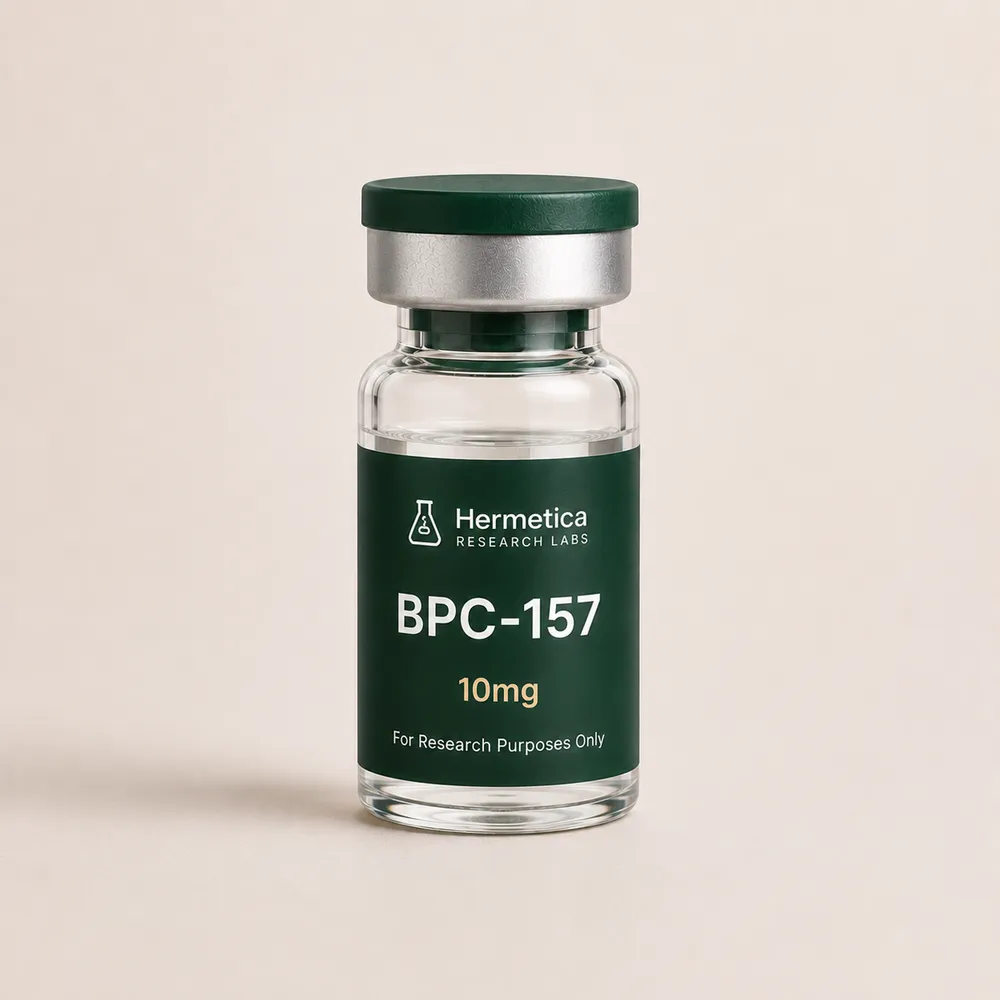
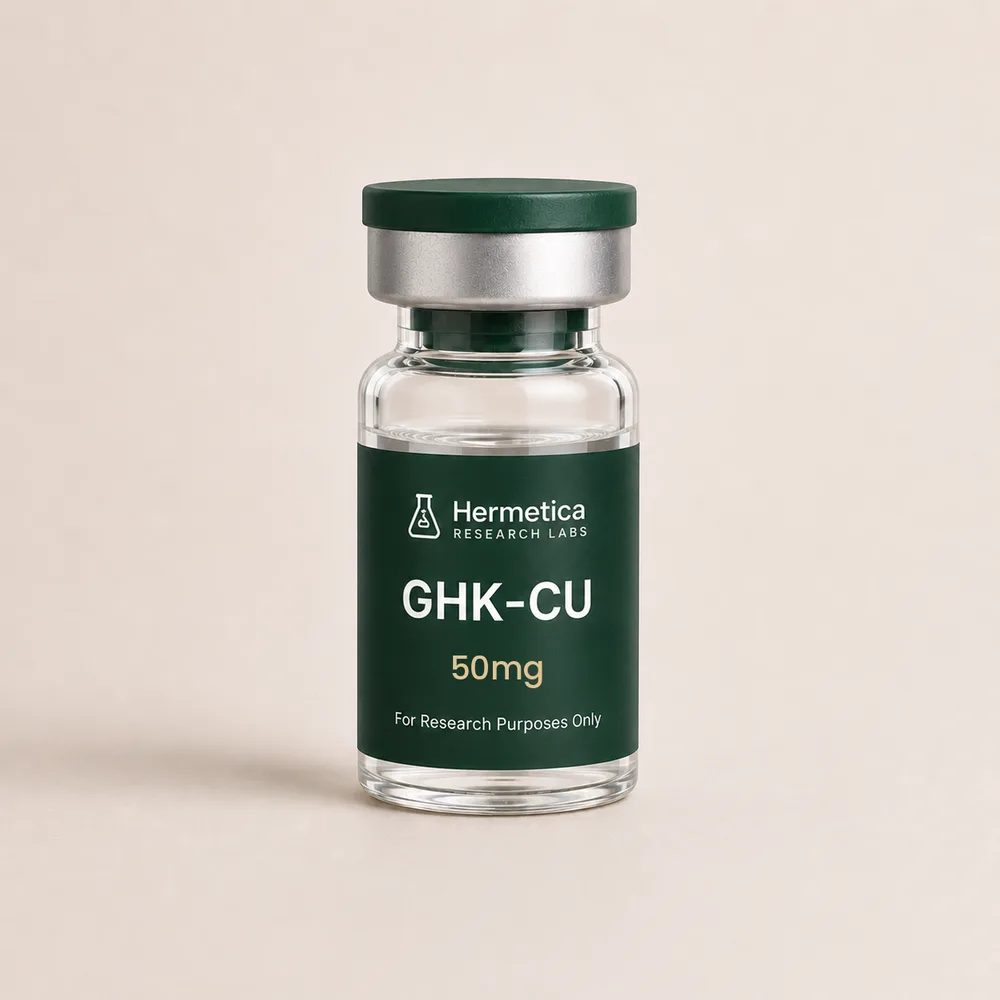
Product pages that link directly to the report for the lot currently in stock — as on the BPC-157 10mg and GHK-Cu 50mg listings — remove the need to ask at all.
Where the inventory physically sits
Canadian branding is inexpensive to acquire. A .ca domain, a Canadian business registration, and a local phone number can all sit in front of stock warehoused abroad, in which case every order crosses the border and is subject to Canada Border Services Agency review, with the transit time and handling exposure that follows.
The question that resolves it: what postal code will appear as the origin on the shipping label? A supplier holding genuine domestic inventory answers in one line.
Storage and handling disclosure
Lyophilized peptides are stable in the dry state under appropriate conditions, but stability is a function of how material has been held, not a property it carries independently. A supplier should be able to state plainly how stock is stored on site and what the packaging is designed to do in transit.
Vagueness here is not usually deception — it is often an honest signal that the vendor does not hold the material and therefore does not know.
A short verification sequence
Five questions, in order of how much they reveal:
- What is the lot number of the stock currently in inventory for this item?
- Which laboratory tested it, and on what date?
- Can I see the RP-HPLC and mass spectrometry results for that lot?
- What postal code does it ship from?
- How is it stored between arrival and dispatch?
A supplier with its own inventory, its own testing programme, and its own traceability answers all five quickly. Where answers are slow, generic, or redirected to marketing language, that is the finding. Once a supplier clears this stage, our compliance-first ordering checklist covers the order-level and receiving checks that follow.
Regulatory framing
Peptides in this category are supplied in Canada for laboratory research use only. They are not drugs authorised for sale by Health Canada, carry no Drug Identification Number, and are not intended for human or veterinary use. A supplier that blurs this framing — through usage guidance or implied application to persons or animals — is describing a product category it is not selling, which is a reliable indicator of how it handles the rest of its claims.
Research use only. All products referenced are supplied strictly for in-vitro laboratory research and analytical purposes. They are not medicines, are not authorised by Health Canada for therapeutic use, and are not for human or veterinary administration. Nothing in this article constitutes medical advice or a claim regarding any effect in humans or animals.
All content is provided for informational purposes for qualified researchers working with research materials in a laboratory setting. Products supplied by Hermetica Research Labs are sold strictly for in-vitro research. They are not intended for human or veterinary use, and nothing on this page constitutes medical, health, or dosing guidance. Must be 21+ to purchase.
Order RUO research materials
Flat $15 shipping across Canada · Free on orders of $150 or more · Canada only · 21+ · Research Use Only, not for human or veterinary use.
Related research peptides
Related research
- Domestic Peptide Shipping in Canada: Customs, Transit Time, and What to Verify
Ordering research peptides from overseas adds a variable most labs underestimate: the border. What happens to an international parcel at Canadian customs, why transit time matters for lyophilized material, and the four things to verify before ordering from any supplier claiming to ship domestically.
- Research Peptides in Canada: What Researchers Should Know Before Buying
A practical guide for Canadian researchers on domestic sourcing of research peptides, what Research Use Only means, and how to evaluate a supplier before purchasing.
- GHK Cu Peptide Canada | Research Overview for RUO Labs
Overview of GHK Cu peptide Canada documentation for RUO laboratories: identity fields, COA path, copper peptide GHK-Cu SKUs, and Canada shipping.