Research Peptides in Canada: What Researchers Should Know Before Buying
A practical guide for Canadian researchers on domestic sourcing of research peptides, what Research Use Only means, and how to evaluate a supplier before purchasing.
Buying research peptides in Canada is not the same as buying them from an offshore reseller. The paperwork, the shipping path, the labelling requirements, and the level of transparency you can reasonably expect from a supplier all differ. This article walks through what a qualified researcher should look at before placing an order — from domestic logistics to supplier documentation — so that the material arriving at the bench is actually what the invoice says it is.
Why domestic sourcing matters
Research peptides ordered from overseas cross an international border, which means they enter the Canada Border Services Agency (CBSA) inspection queue. What happens to a parcel in that queue — and why transit time matters for lyophilised material — is covered in Domestic Peptide Shipping in Canada. Even when a shipment is fully compliant, that queue adds unpredictable delay: parcels can sit for days or weeks awaiting inspection, and it is not unusual for research-use shipments to be opened, re-sealed, or held pending clarification of contents. For a laboratory running a scheduled protocol, that timing risk is real.
Domestic Canadian suppliers ship inside the country. That single change removes CBSA transit uncertainty, makes tracking straightforward with Canada Post or a domestic courier, and — because the sale, invoicing, and shipping all happen in one jurisdiction — makes recourse simpler if something arrives damaged or mis-labelled.
A domestic supplier is also easier to hold accountable. You can email a Canadian address, invoke Canadian consumer-protection framing where it applies, and receive documentation formatted for a Canadian buyer (CAD pricing, GST/HST where applicable, English-language paperwork).
What "Research Use Only" actually means
"Research Use Only" (RUO) is a labelling category. It signals that the material is intended for in-vitro laboratory research and is not being sold, marketed, or supplied for human or veterinary use, for diagnosis, or for treatment of any condition. In practical terms, an RUO product is a laboratory reagent, and both the seller and the buyer are expected to treat it that way.
A few implications follow from that:
- Product pages and marketing must not make health, therapeutic, or dosing claims. If a supplier's website reads like a wellness catalogue, that is a red flag about how they view their own compliance posture.
- The buyer represents that they are a researcher purchasing laboratory material for laboratory purposes. Most reputable Canadian suppliers gate purchases behind an age requirement (typically 21+) and an RUO acknowledgement.
- RUO material is not a drug. It has not been approved by Health Canada for any therapeutic indication. Nothing on a supplier's site should suggest otherwise.
The Health Canada regulatory framework distinguishes between drugs (which require a Drug Identification Number and go through the Food and Drugs Act pathway) and research chemicals sold as laboratory reagents. Compliance-oriented suppliers stay firmly on the reagent side of that line, and their documentation reflects it.
How to evaluate a supplier
Once you have narrowed the field to domestic Canadian sellers, the next filter is documentation. The four things worth checking, in order:
- A third-party Certificate of Analysis (COA) for every batch. The COA should be produced by an independent analytical laboratory — not the supplier's in-house claim — and it should be tied to a specific lot number. Well-known independent labs in this space include Janoshik Analytical and Freedom Diagnostics; both publish reports that can be verified against the issuing lab's system.
- Batch and lot traceability. Every vial should be tied to a lot. Every lot should be tied to a COA. If a supplier can't point you at "this vial came from this batch, and here is the analysis of that batch," you have no way to know what is inside.
- Purity, identity, and quantity data. A real analytical report covers all three: identity confirmed by mass spectrometry, purity measured by HPLC (typically as area-percent), and — for peptides — a mass check consistent with the expected structure. Self-reported purity without a supporting chromatogram is not evidence.
- Clear RUO labelling on packaging and site. The vial, the invoice, and the product page should all be consistent. If the packaging says "Research Use Only" but the marketing copy is written as if the buyer will consume the material, the supplier is telling you two different stories.
What good sourcing looks like in practice
A researcher buying from Hermetica, for example, can pull up the Certificates of Analysis page and match a purchased vial's lot to a published third-party report from Janoshik Analytical or Freedom Diagnostics. The same page shows the analytical method used, the batch identifier, and the reported purity — the same three data points reviewers would expect in any laboratory notebook entry.
That pattern — domestic ship, RUO labelling that is honoured across the whole site, and per-batch third-party documentation — is the baseline. It is what makes a supplier verifiable rather than aspirational, and it is the difference between a reagent you can defend in a methods section and one you cannot.
For a deeper look at what to look at inside a COA, see How to read a peptide certificate of analysis. For handling once material arrives, see Research peptide storage and handling.
Every batch Hermetica supplies is accompanied by a report from an independent laboratory, published in full rather than summarised. The complete set is in the COA library, and the batch report for each lot is linked from its product page — including BPC-157, TB-500 and GHK-Cu.
All content is provided for informational purposes for qualified researchers working with research materials in a laboratory setting. Products supplied by Hermetica Research Labs are sold strictly for in-vitro research. They are not intended for human or veterinary use, and nothing on this page constitutes medical, health, or dosing guidance. Must be 21+ to purchase.
Order RUO research materials
Flat $15 shipping across Canada · Free on orders of $150 or more · Canada only · 21+ · Research Use Only, not for human or veterinary use.
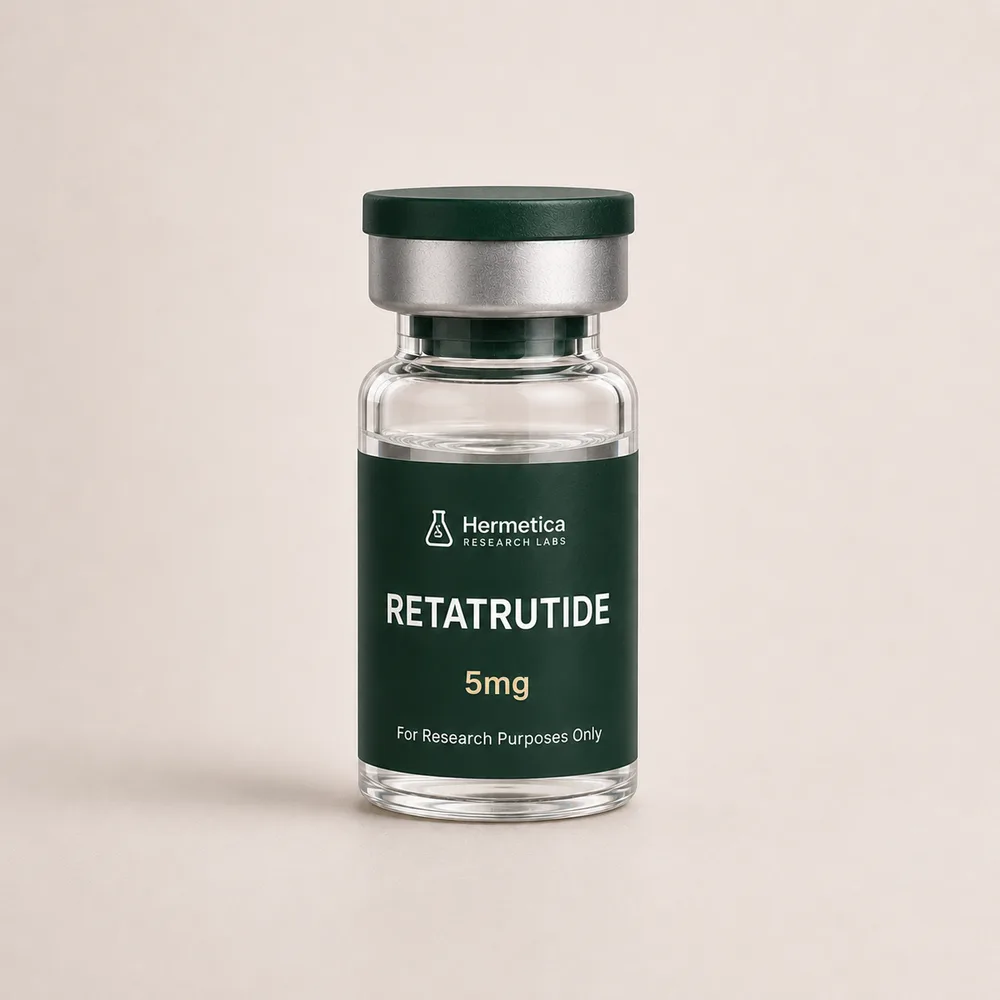
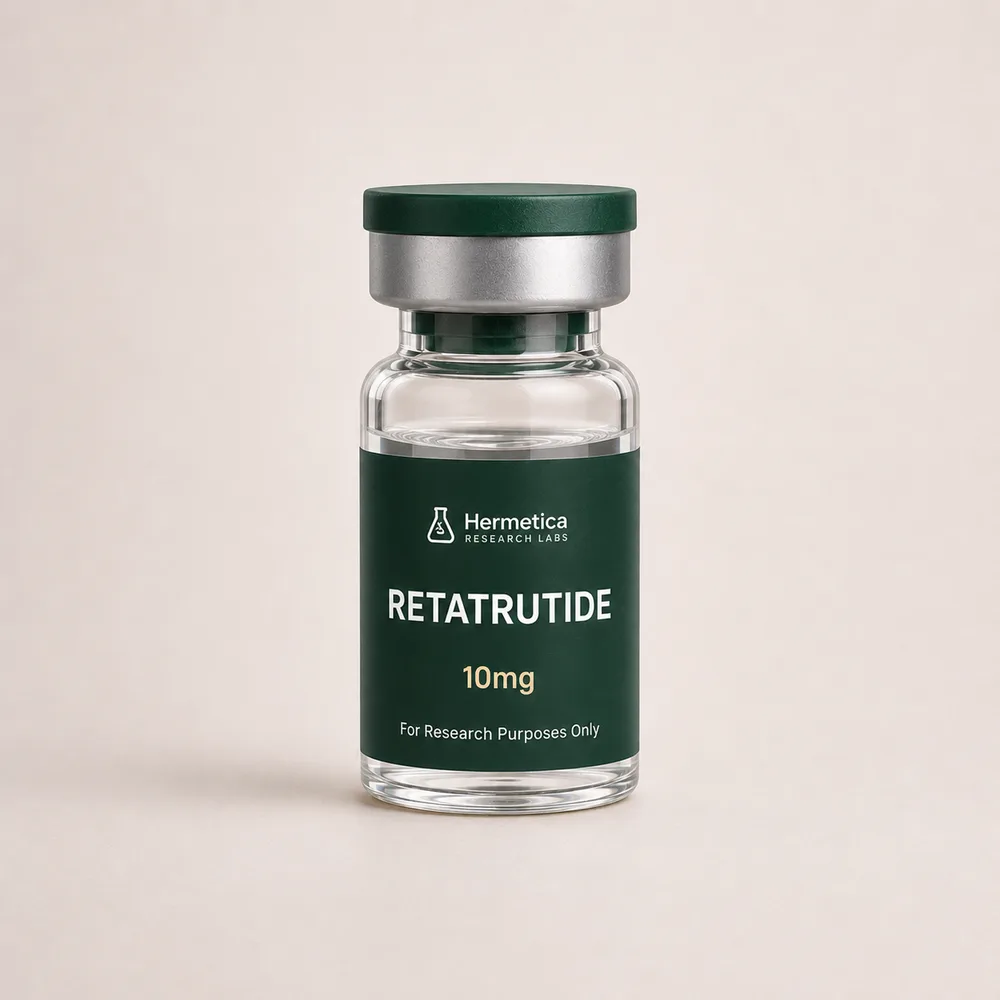
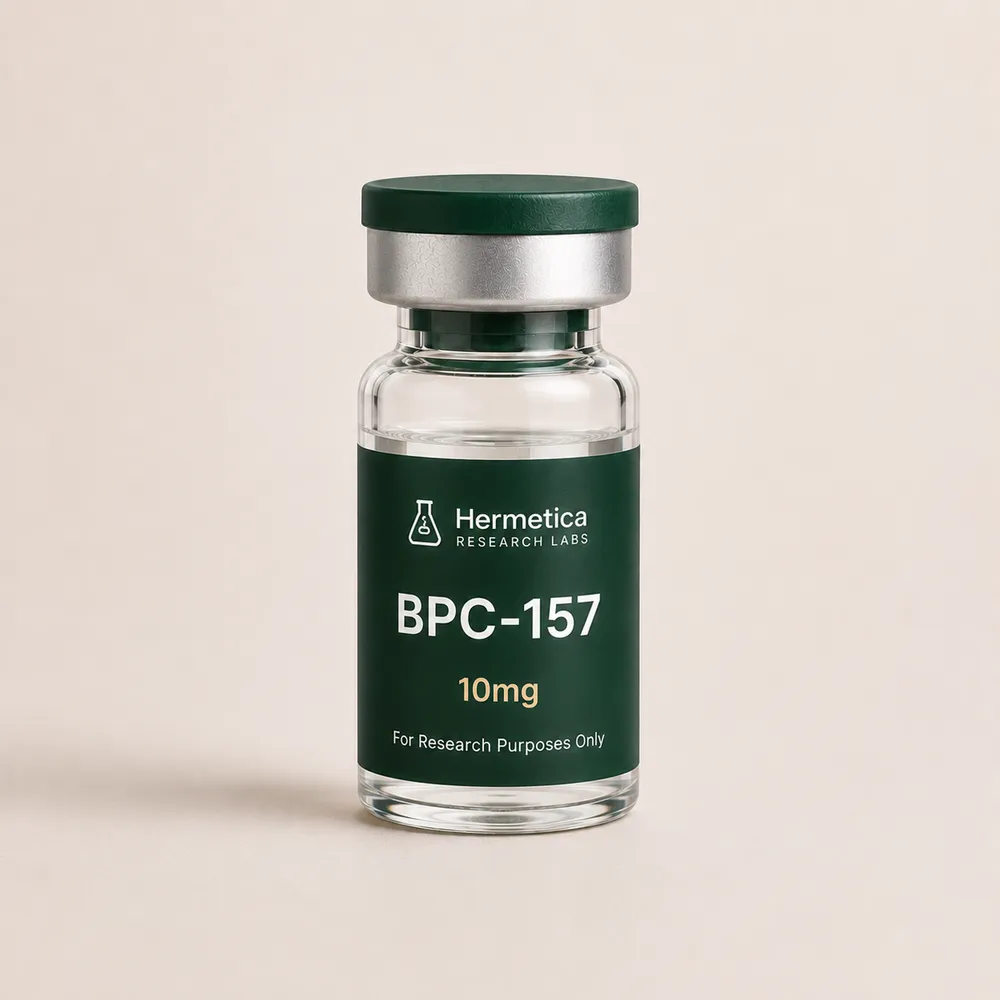
Related research peptides
Related research
- Domestic Peptide Shipping in Canada: Customs, Transit Time, and What to Verify
Ordering research peptides from overseas adds a variable most labs underestimate: the border. What happens to an international parcel at Canadian customs, why transit time matters for lyophilized material, and the four things to verify before ordering from any supplier claiming to ship domestically.
- Retatrutide for Laboratory Research (Canada): What a COA Should Show
A documentation checklist for Canadian researchers reviewing Retatrutide Certificates of Analysis — identity, purity, lot matching, and independent lab verification. Research Use Only.
- Third-party tested peptides in Canada — documentation meaning
What third-party testing establishes on a Canadian research peptide certificate — and what it does not.